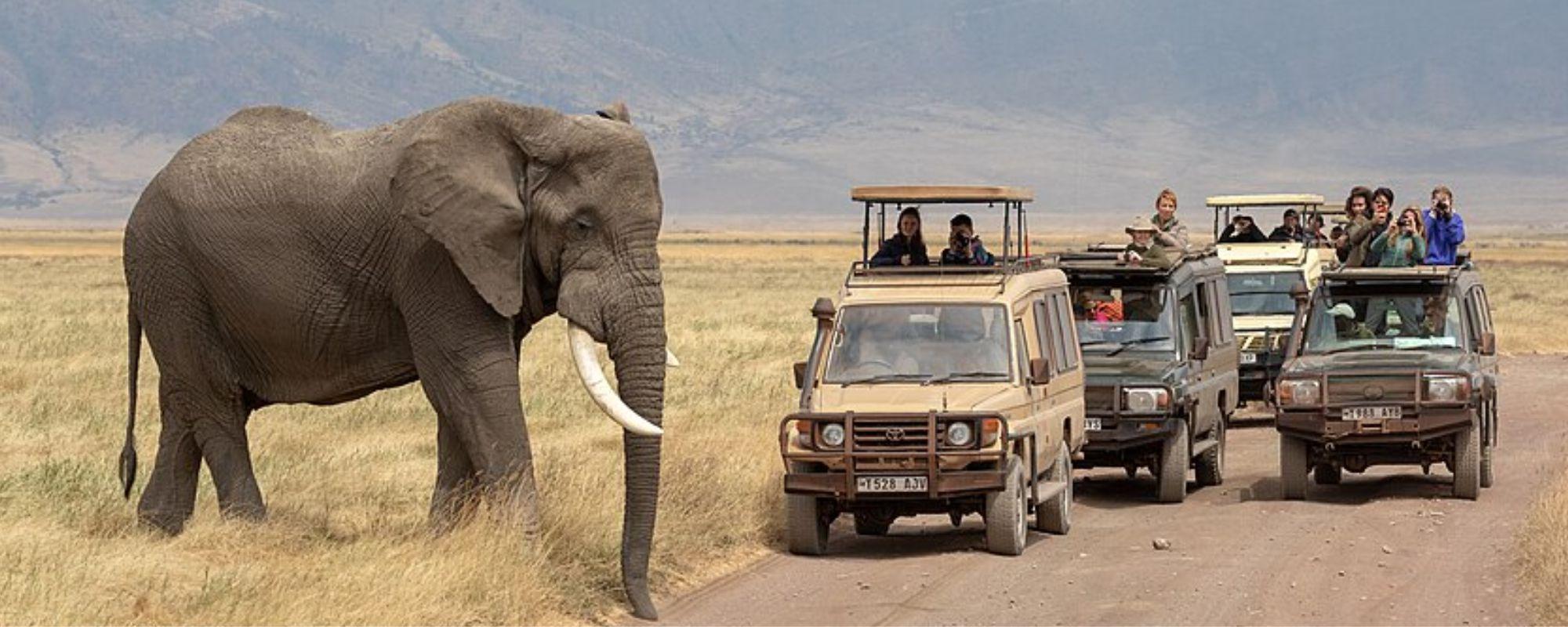
There’s a broader lesson buried here, too. Conservation is constantly framed as economics versus nature, as if the two are locked in a zero-sum fight. They don’t have to be. Get the incentives right, and economic development and conservation can actually reinforce each other. A forest gives you tourism, timber, jobs, and other economic opportunities all at once. A river supports agriculture, tourism, fisheries, and the communities along its banks. Wildlife can generate tourism, jobs, investment, research, and local enterprise; the list goes on. The goal shouldn’t be to put nature behind a fence and keep people out. It should be about building a system where people have a real economic reason to keep that nature alive.
Africa doesn’t need more speeches urging communities to conserve their wildlife. It needs better incentives, secure property rights, functioning markets, investment, and entrepreneurship. Above all, it needs to accept that the people living alongside wildlife deserve a real stake in whether it survives.