




















By Ms Lydia Daring Bhebe
Wildlife has long provided food, clothing, livelihoods and income for communities around the world. Today, the wildlife trade continues to support industries ranging from fisheries and timber to leather and luxury goods. Yet few aspects of wildlife conservation generate as much debate as the commercial use of wild species and the question of whether there is such a thing as sustainable wildlife use.
Wildlife trade is often presented as a simple choice: either it threatens biodiversity, or it supports conservation. A recently published study in Scientific Reports challenges this familiar binary by asking a more fundamental question: what does the evidence actually show?
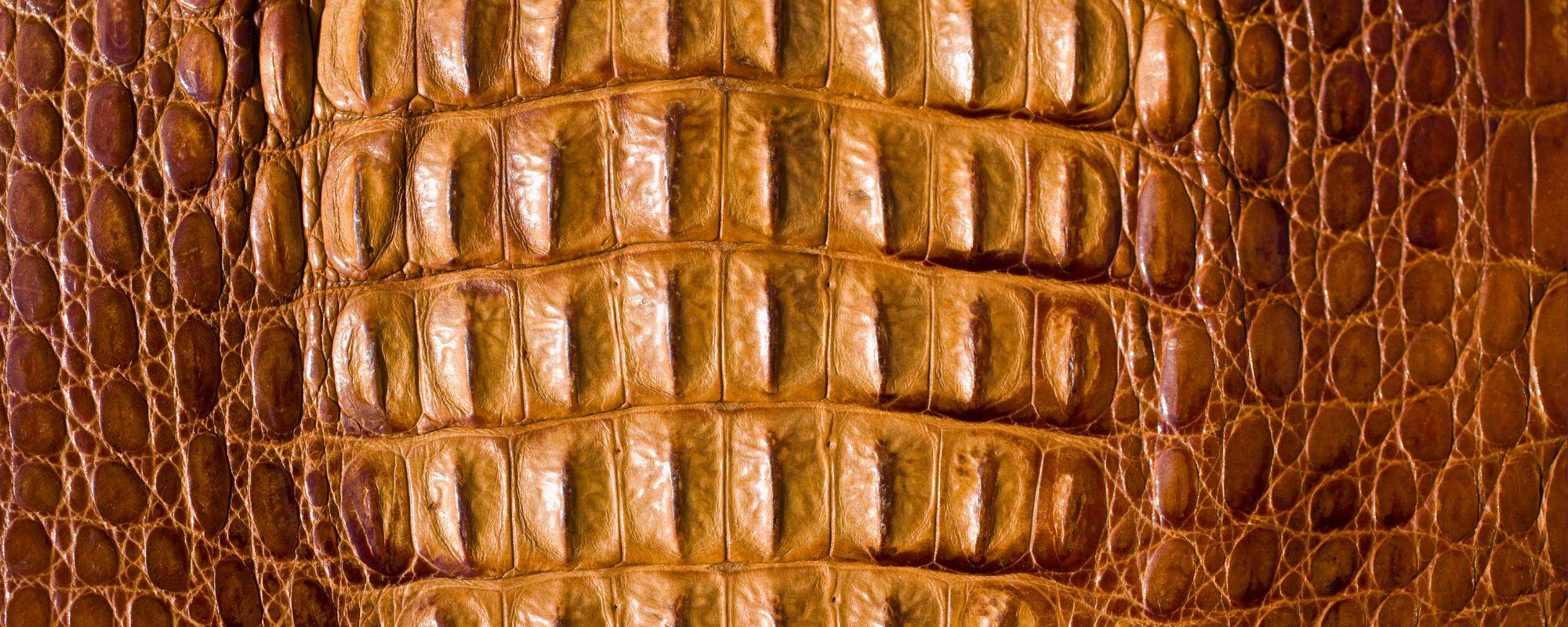
Drawing on more than two decades of international trade data, the researchers examined one of the world’s largest wildlife industries, the legal reptile skin trade, to assess whether commercial trade is contributing to the decline of the species being traded.
Their findings do not settle the debate surrounding the wildlife trade. However, they do provide one of the clearest examples yet of why conservation discussions are strongest when they are informed by evidence.