

















Few words in conservation evoke stronger emotions than culling. The reaction intensifies further when the term “hunting trophy” is added. The very mention of it is enough to ignite public outrage, mobilise advocacy campaigns and generate headlines that frame conservation managers as executioners rather than custodians.
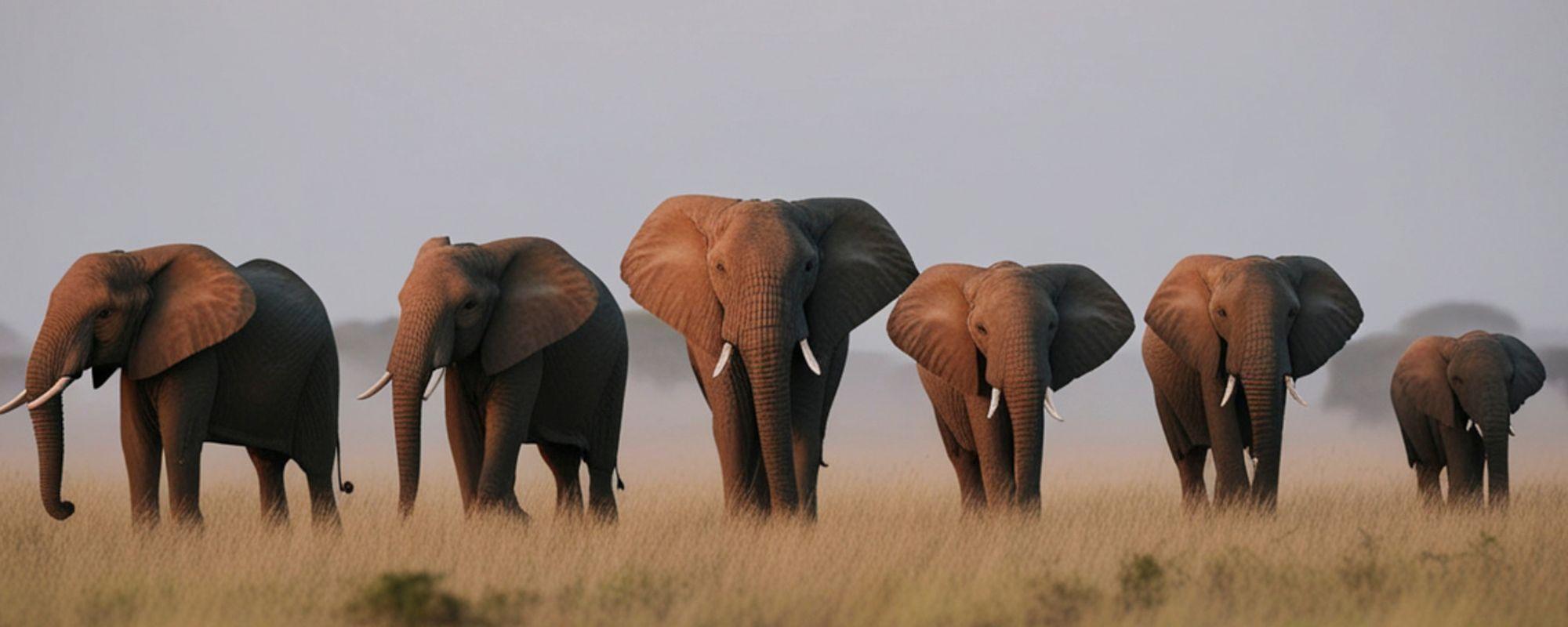
It is therefore unsurprising that Don Pinnock’s Op-Ed on 6 July 2026, “Let’s talk ‘lethal control’ – Ezemvelo wants to cull 1,220 elephants”, and Adam Cruise’s 8 July Op-Ed, “The 951 dead elephants in the Kruger Park and a question everyone should be asking”, have become another flashpoint in South Africa’s increasingly polarised conservation debate.
Yet beneath the emotionally charged language lies a more important question, one that extends far beyond elephants.
Who is entrusted to manage conservation areas? The answer should be straightforward: The management authority. Not the loudest advocacy group. Not the most persuasive opinion writer. Not whichever organisation is most successful at shaping public sentiment through media campaigns.
And how should it be managed? By balancing ecological, economic and social needs. It is not by surrendering to whoever feels most strongly in the conservation conflict trifecta. A management authority exists because someone must ultimately accept responsibility for the ecological condition of protected areas. That responsibility is neither symbolic nor optional. It carries legal obligations, financial accountability and ecological consequences that extend decades beyond the lifespan of a news cycle.