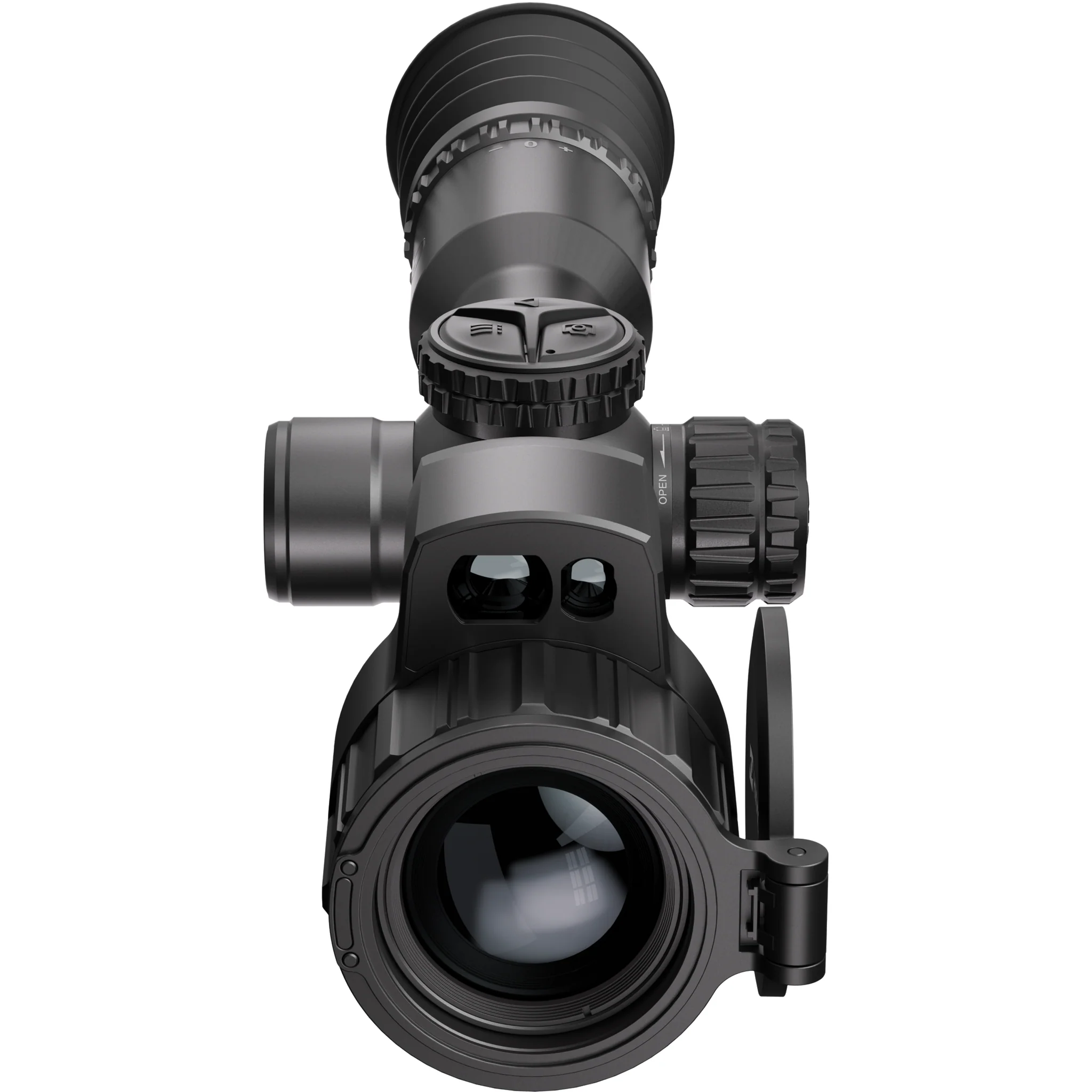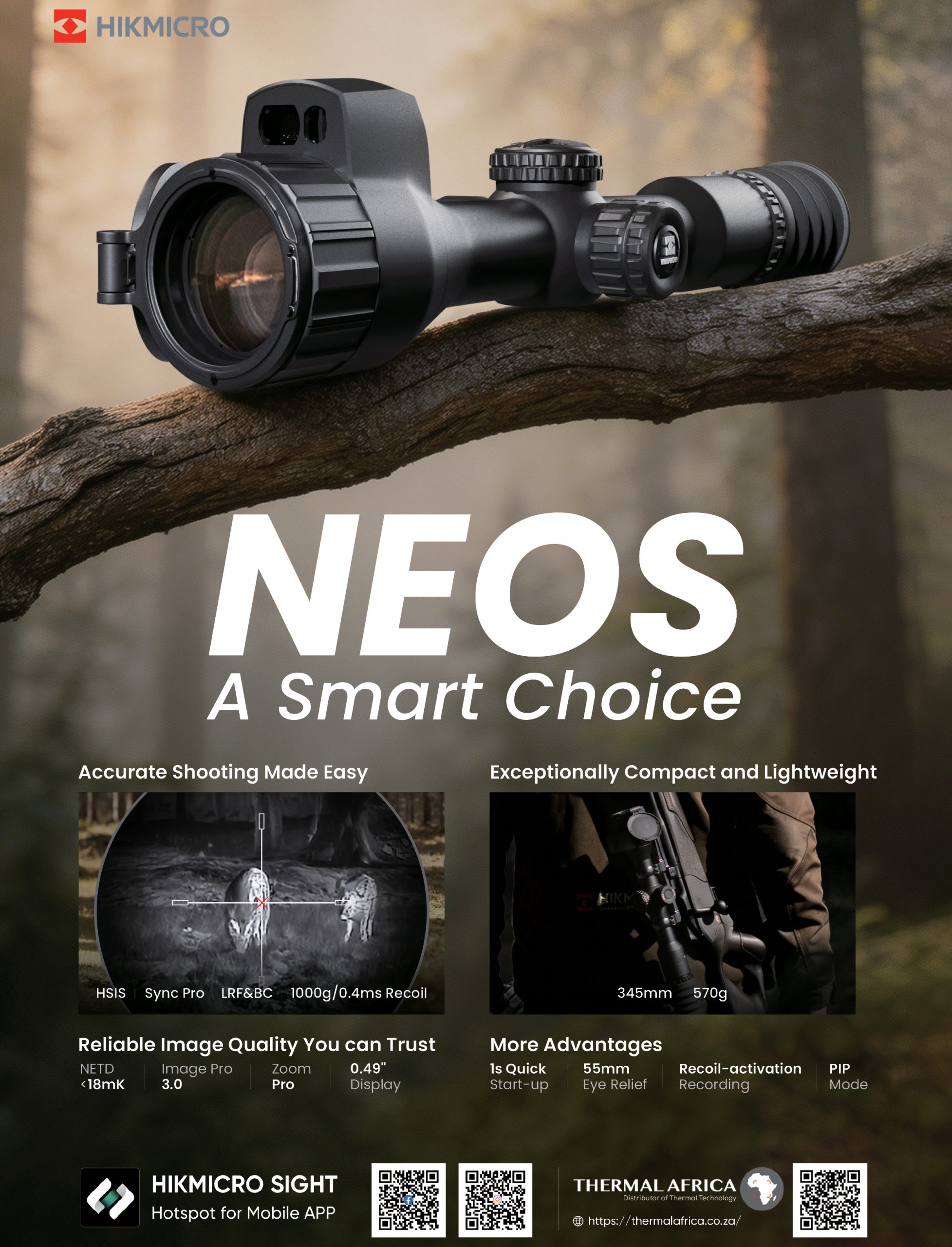



















Compact dimensions, high-sensitivity thermal imaging and intelligent image-processing technology come together in HIKMICRO’s new NEOS range — a series designed to make advanced thermal observation more accessible without stripping away the features serious outdoor users expect.
Thermal technology has changed dramatically over the past few years. What was once bulky, highly specialised equipment is becoming smaller, faster and significantly easier to use. At the same time, image quality has improved to the point where the real conversation is no longer simply whether a thermal device can detect heat, but how clearly it can translate subtle temperature differences into useful detail.
That is the territory into which HIKMICRO’s new NEOS series arrives.
Introduced in 2026, the NEOS family currently consists of three models — the NE25, NH25L and NH35L — providing different sensor resolutions, focal lengths and feature sets while sharing the same basic design philosophy: keep the unit compact, responsive and straightforward without sacrificing the technology that matters in the field.
More than simply seeing heat
One of the first specifications thermal users tend to look at is sensor resolution. It is important, but resolution tells only part of the story.
The NEOS range uses uncooled VOx thermal detectors with a 12 μm pixel pitch and 50 Hz refresh rate, while thermal sensitivity across the series is rated at NETD below 18 mK.
NETD — Noise Equivalent Temperature Difference — sounds highly technical, but its practical meaning is relatively straightforward. It describes how small a temperature difference the sensor can distinguish. Lower values generally mean the device is capable of separating finer differences in heat.
That becomes particularly important when conditions are less than ideal.
On a cold, clear night, a warm animal against a much cooler background can provide strong thermal contrast. But conditions are not always that cooperative. Warm ground, humid air, vegetation and changing temperatures can reduce the apparent difference between a subject and its surroundings. A highly sensitive sensor has more information available from which to construct the image.
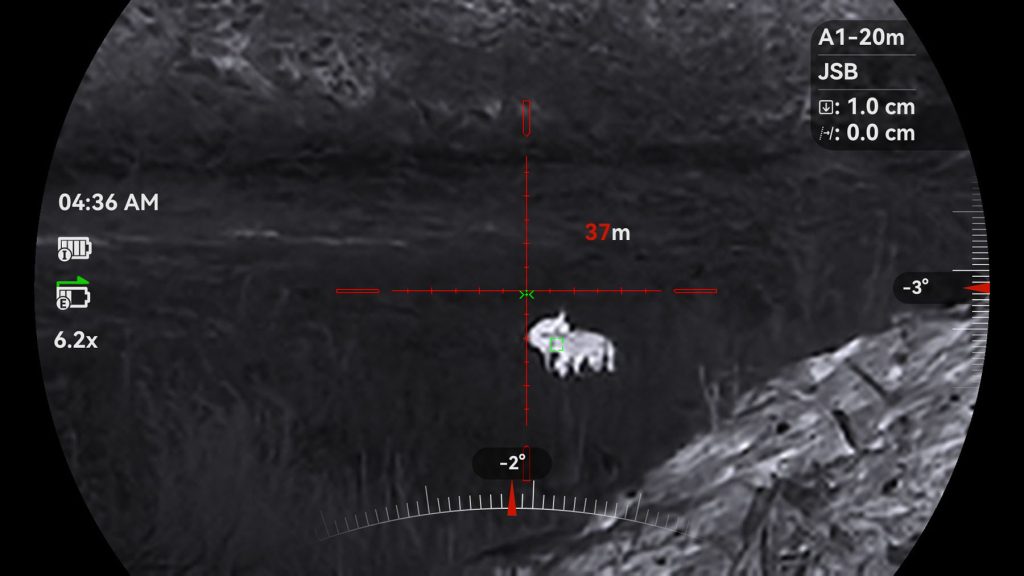
HIKMICRO combines the NEOS sensor with its Image Pro 3.0 processing algorithm, which is intended to improve perceived detail and make objects easier to distinguish within the thermal scene.
The important distinction here is between detecting something and understanding what you are looking at. A distant heat signature may be visible long before enough detail is available for confident identification. Better thermal sensitivity and image processing help close that gap.
Shutterless viewing changes the experience
Anyone who has spent time behind conventional thermal equipment will be familiar with periodic image calibration.
In many thermal systems, the image momentarily freezes while the device recalibrates its sensor. It may only last a fraction of a second, but it can interrupt observation at exactly the wrong moment.
The NEOS series uses HIKMICRO Shutterless Image System — HSIS — specifically to address this. Instead of the familiar intermittent image freeze associated with traditional shutter-based calibration, HIKMICRO designed HSIS to maintain a more continuous view.
Alongside HSIS is Sync Pro, another HIKMICRO processing technology aimed at reducing the delay between movement in the real world and what appears on the display. HIKMICRO says the result is a smoother, more immediate viewing experience.
Individually, these features may sound like refinements. In actual field use, however, responsiveness matters enormously. Thermal observation often involves moving animals, scanning vegetation or following a heat source across uneven ground. A display that responds naturally and continuously reduces distraction and allows the user to concentrate on what is happening ahead.