













When distance, terrain and adrenaline all become part of the equation, Swarovski Optik’s latest dS is designed to simplify one thing that matters above all: knowing exactly where to aim.
There is a particular kind of silence that settles over the veld in the seconds before a shot.
The animal is finally in position. The stalk has worked. The wind is moving across the slope. Your breathing suddenly feels louder than it did a moment ago, and what looked like a straightforward opportunity through binoculars can become considerably more complicated once the rifle is on the sticks.
Distance. Angle. Wind. Ballistics. Time.
These are not theoretical considerations. They are the variables that separate confidence from uncertainty.
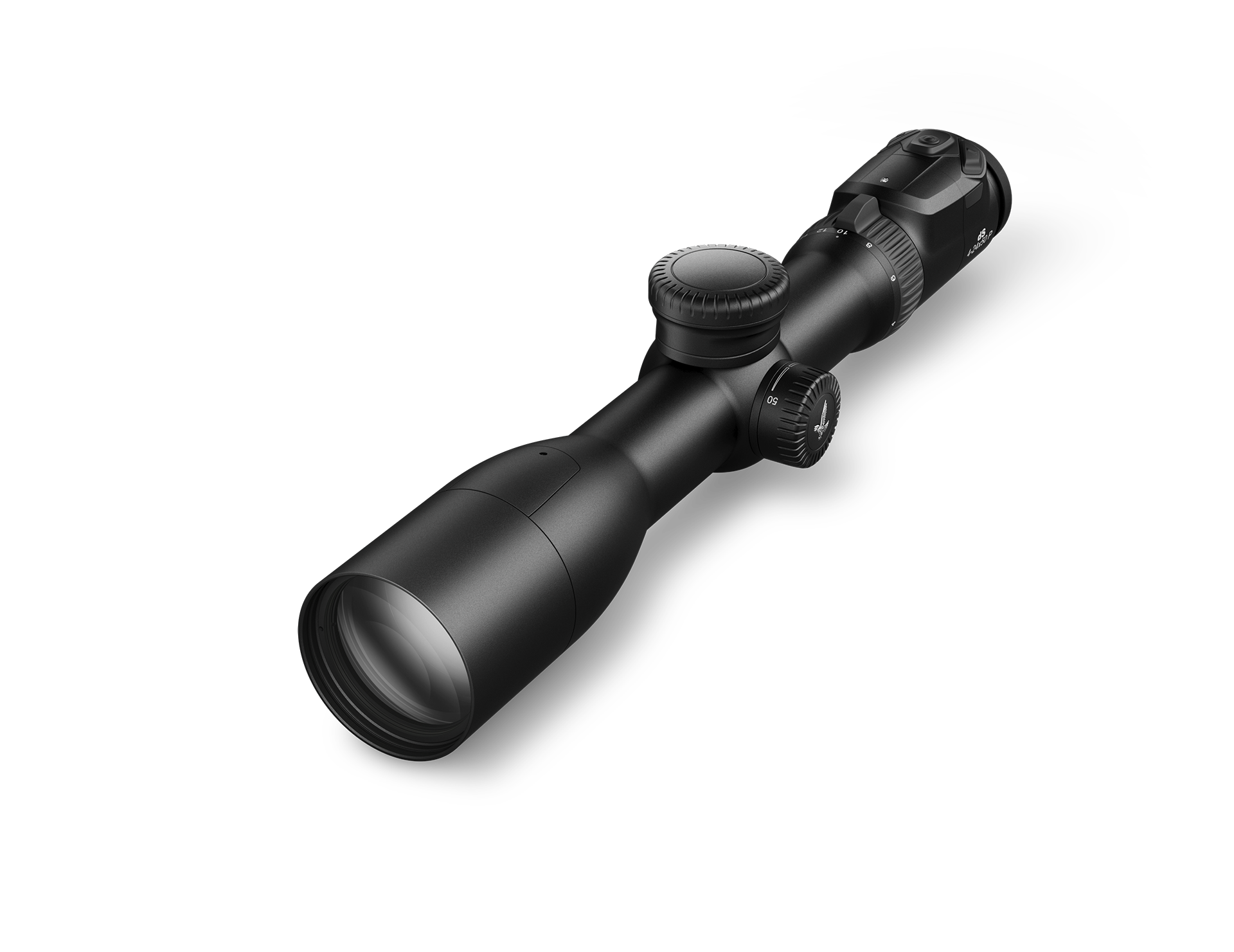
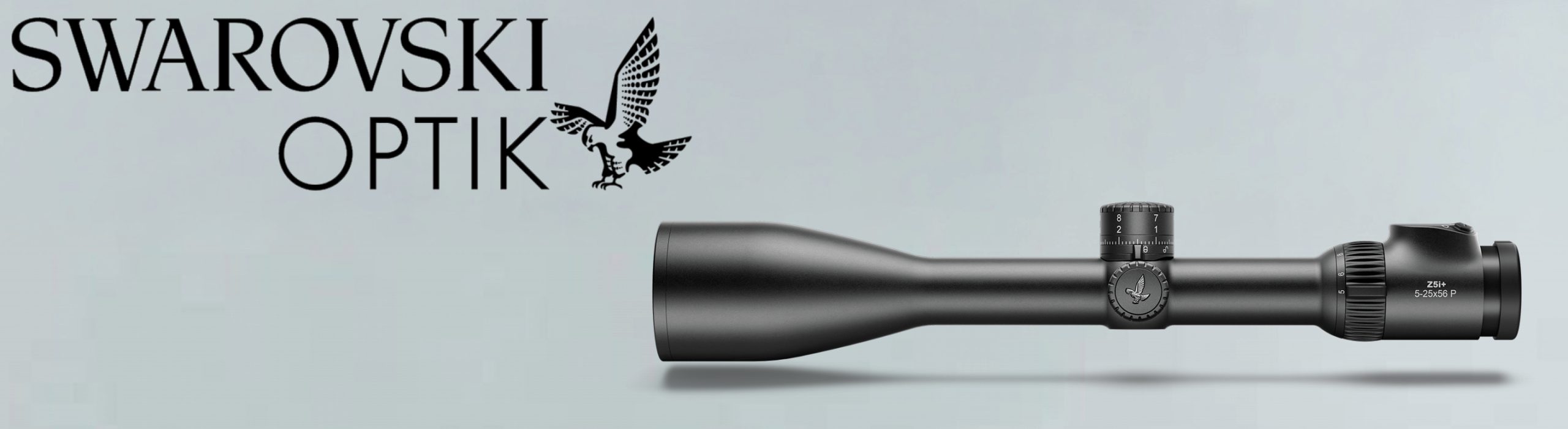
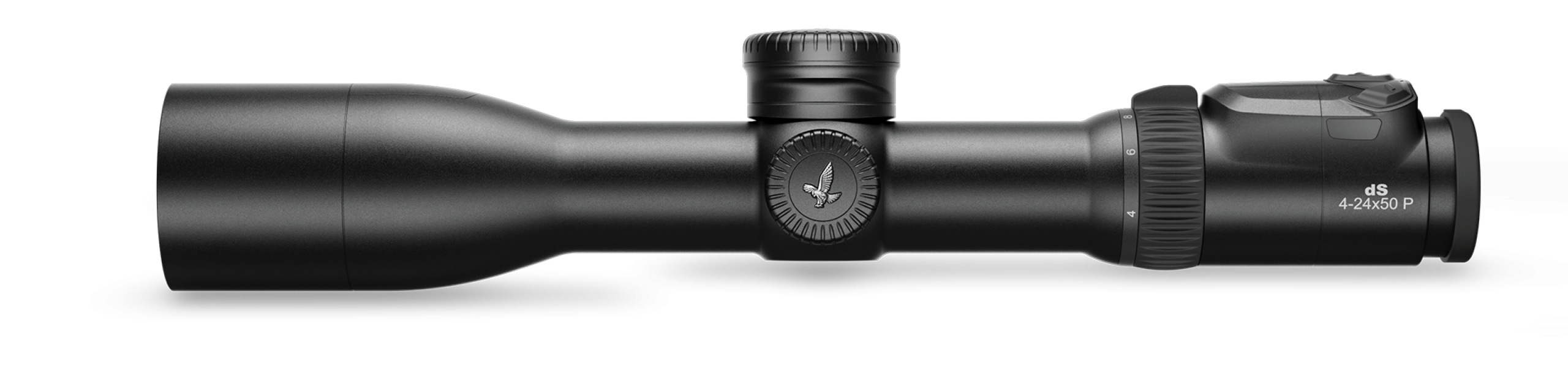
It is precisely this moment that SWAROVSKI OPTIK has targeted with the latest generation of its digital dS 4-24×50 P riflescope.
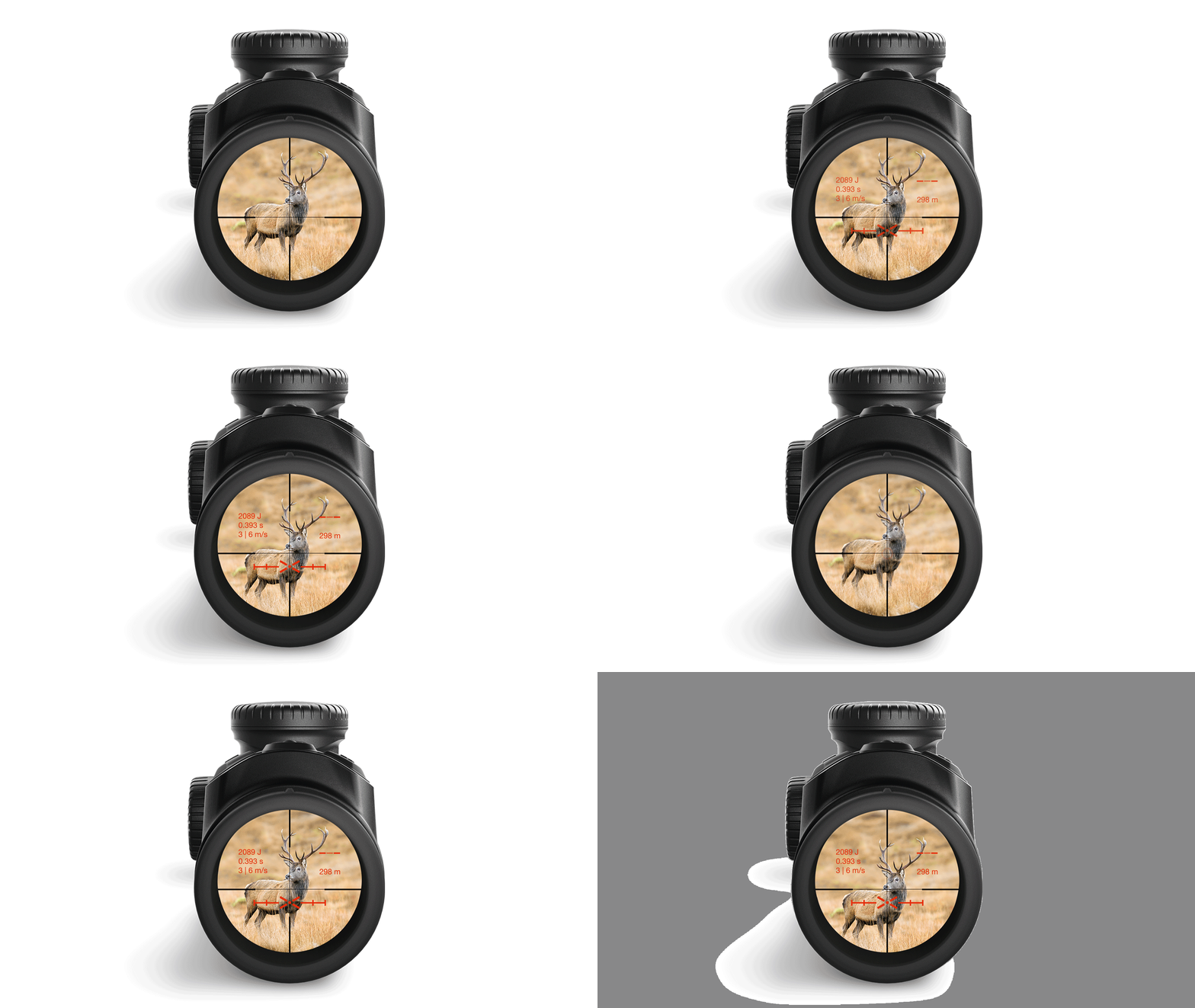
Introduced for 2026, the new dS combine premium optical performance, an integrated laser rangefinder, digital ballistic calculation and a configurable in-scope display. At the push of a button, the riflescope can measure the target and calculate a corrected aiming point using the hunter’s individual ballistic data together with factors such as distance, shooting angle and environmental information. Swarovski describes it as a system intended to reduce complexity at the crucial moment, allowing the hunter to concentrate on making a controlled shot rather than performing calculations under pressure.
And that makes it particularly interesting for African hunters.
Technology Built Around the Shot
Modern hunting optics have progressed far beyond magnification and light transmission.
Rangefinders became common. Ballistic applications followed. Hunters began carrying more information than ever before — but that information often existed across several different devices.
Range the animal.
Check the distance.
Consult the ballistic solution.
Make an elevation correction.
Confirm the wind.
Return to the rifle.
Find the animal again.
The philosophy behind the dS is very different: bring the relevant information into the riflescope itself.
Once the hunter has created and transferred the appropriate ballistic profile, the system can calculate the corrected aiming point and display it directly in the sight picture. Swarovski’s 2026 launch information confirms that the new generation automatically considers distance, angle, environmental conditions and the hunter’s individual ballistic data when determining the corrected aiming point.
That distinction is important.
The dS is not merely telling you that the kudu is standing, for example, several hundred metres away. It is designed to take that measured distance and combine it with the ballistic profile of your particular rifle-and-ammunition setup to show the corresponding aiming solution.
In other words, it attempts to turn information into something immediately usable.
Range. Calculate. Aim.
At the heart of the system is an integrated laser rangefinder.
The new dS has a specified measuring range of approximately 30 to 1,375 metres, with a stated measuring accuracy of approximately ±1 metre. The measurement itself takes no more than about 0.7 seconds under the specified conditions.
After ranging, the digital system determines the required corrected aiming point.
This becomes especially relevant when hunting across the varied landscapes southern African hunters know so well.
A bushveld encounter may happen quickly and at modest distance. Move into the mountains of the Eastern Cape and shooting angles become part of the equation. On open Karoo plains, in Namibia or across wide Kalahari country, distance and wind can become considerably more significant.
The value of an integrated system is therefore not necessarily that it encourages longer shots.
Its real value is that it can provide more information with less disruption to the hunter’s shooting process.
That is an important distinction.
Good technology should never turn a questionable opportunity into an acceptable one. What it can do is help remove uncertainty from an opportunity that the hunter has already judged to be responsible.