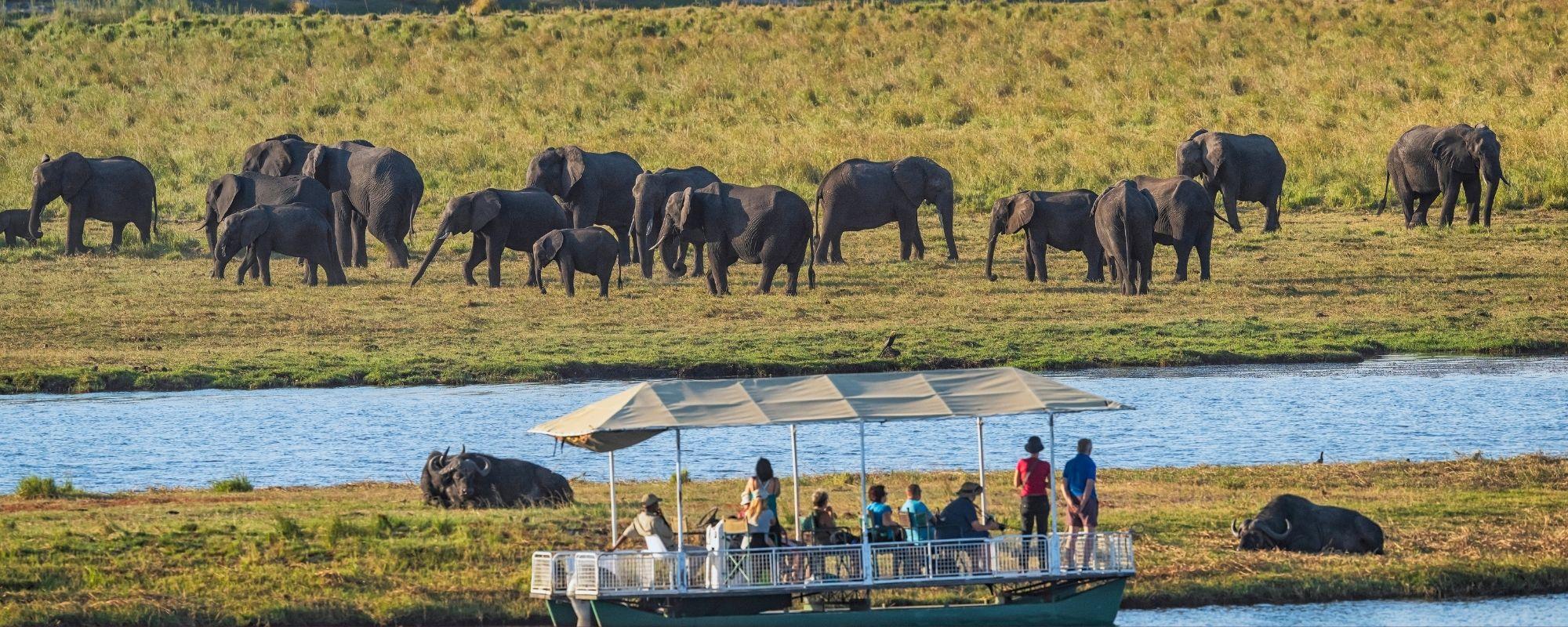
No wildlife-specific commitments at all. The communiqué’s 38 points cover peace and security, migration, disease control (Ebola, foot-and-mouth), gender, youth, critical minerals, and infrastructure, but nothing on wildlife use and trade, CITES positioning, or transfrontier conservation financing. For a region where wildlife tourism is a major foreign-exchange earner and land-use driver, its total absence from the Summit’s language suggests it remains institutionally siloed from the region’s trade agenda.
Consensus-driven vagueness. ISS Africa’s assessment argues that SADC’s summit outcomes reflect a “lowest common denominator” institutional culture. Nothing is presented as a binary choice or an urgent challenge, and no member state is singled out. Applied to the wildlife economy, this matters because the hardest issues such as divergent national positions on ivory and rhino horn trade, uneven CITES engagement, and the tension between conservation and mining/agricultural expansion into wildlife landscapes, are exactly the kind of contested hard questions that a consensus-first body tends to avoid rather than resolve.
Migration tension without resolution. The Summit received an update on migration governance and called for further dialogue but produced no binding framework. tralac’s brief argues that trade and services liberalisation cannot function in a “legal vacuum” separate from migration policy. This point has direct relevance to a labour- and community-dependent sector like conservation tourism, where cross-border staff mobility, community-based natural resource management schemes, and anti-poaching cooperation all depend on functional, rights-respecting mobility arrangements that remain unresolved.
Minerals over conservation land-use trade-offs. ISS Africa notes that SADC’s critical minerals push is drawing serious external interest from the US, EU, India, and Gulf investors, with the Summit encouraging member states to “leverage emerging opportunities.” Left unaddressed is how this accelerating minerals agenda intersects with land use in wildlife-rich landscapes across the region.