













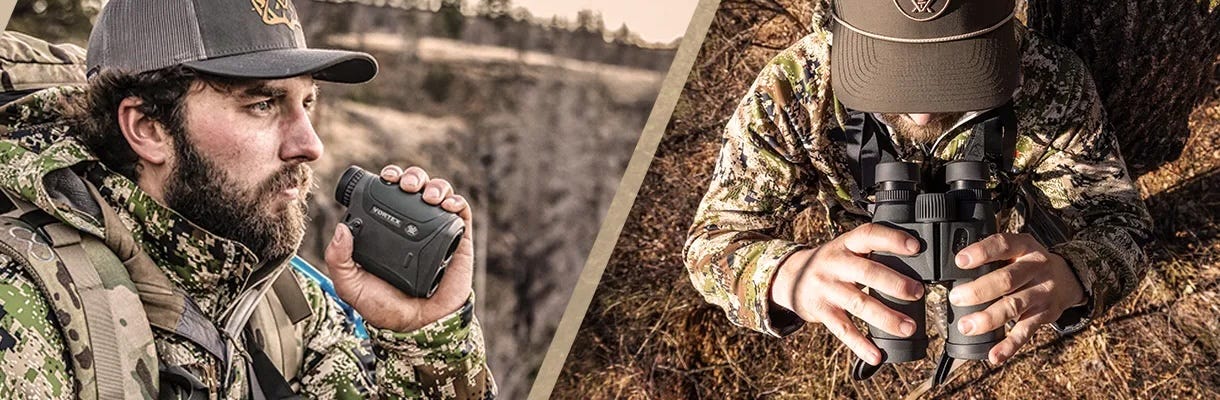
Monocular vs. Binocular Rangefinders: Which Is Best?

You need one solution: A device that gets you accurate ranges. So why are there so many questions? One tool or two? Speed or optical power? Between the rangefinding binocular and handheld rangefinder (monocular), which offers the best performance for your application?

The good news is both provide accurate distance data, and it simply comes down to matching each device’s strengths to how you hunt or shoot.
Monocular vs. Binocular Rangefinders: Which Is Best?

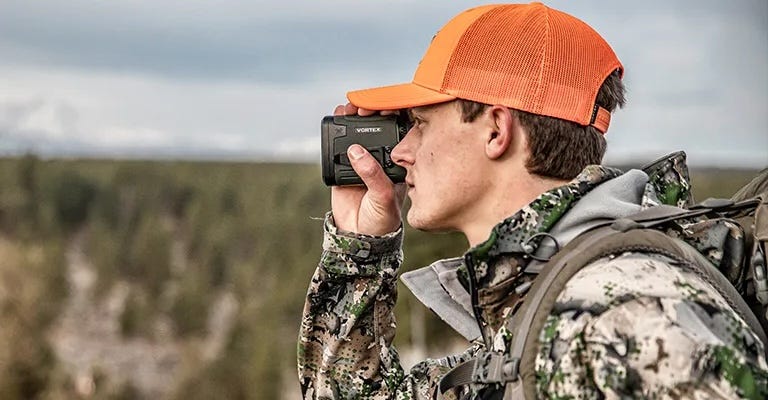
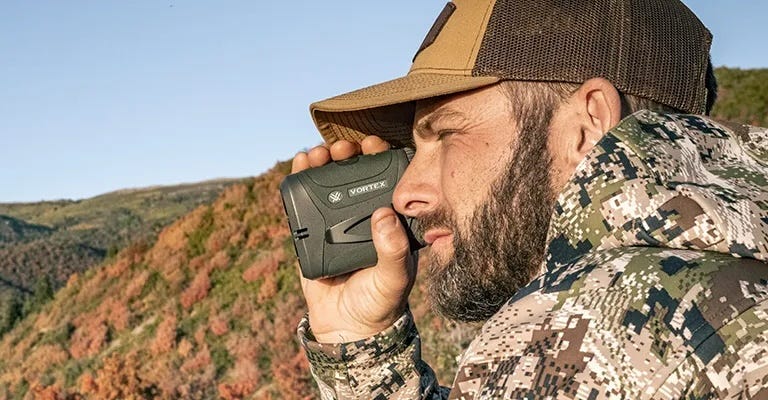
Need to stay on the move? Handheld rangefinders are ideal for hunters and shooters on the go.

Handheld rangefinder’s offer speed, simplicity, and mobility in a compact package. It’s not that they don’t have the power to cover a lot of ground; the Viper® HD 3000, for example, has a deer range of 2,000 yards. They’re simply optimized for grabbing ranges, not observation.

Ideal for fast access (from either a pocket, or a rangefinder pouch) and gathering data on the fly for quick decisions, their light weight makes them easier to carry and use all day.

Handheld Rangefinders Win…

  • When Speed and Mobility Are Crucial. Bowhunters quickly range landmarks and moving game within bow range. Competitive shooters easily confirm distances at speed, where less magnification allows for faster target acquisition.
  • When You Have Spotting Optics You Prefer. Handheld rangefinders are perfect if you already have observation optics you prefer, and you don’t mind carrying an extra device.

Consider a handheld rangefinder for these applications

  • Archery Hunts
  • Spot-and-Stalk Hunters Covering Ground
  • Range shooters with preferred spotting optics
  • Tactical shooters who prefer standalone rangefinding devices

Handheld rangefinders, like the Razor® HD 4000 GB Ballistic Laser Rangefinder, offer plenty of ranging power, but really excel when it comes to speed. This device also includes on-board GeoBallistics®.

Why You Should Choose a Rangefinding Binocular

When power and optical clarity are key, it’s hard to beat rangefinding binoculars.

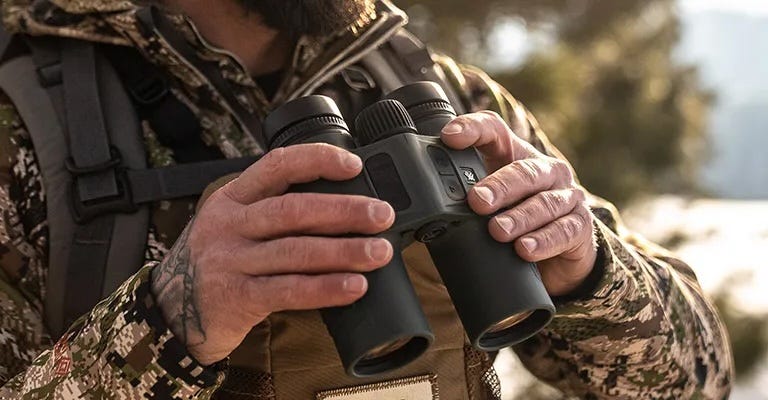
Rangefinding binoculars combine your binoculars and rangefinder into one device, letting you juggle less gear in crucial moments. They also bring more magnification and more optical quality, which is ideal when you need to cover a lot of ground with your eyes.

Another perk? With range (and ballistic data on some models) displayed in-picture, you can stay on your binoculars and locked onto your target without having to transition to a rangefinder.

Rangefinding Binoculars Win…

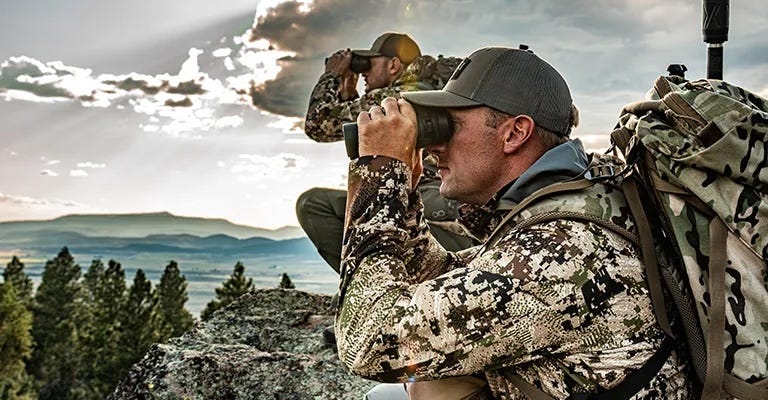
  • When Magnification and Optical Quality Are Key. Anyone who needs a rangefinder that can also be used for extended observation will prefer a rangefinding binocular. Rangefinding binoculars win on magnification and optical quality, which lets competitive shooters spot smaller targets, and gives hunters needing to identify game or trophy potential plenty of reach.

  • When You Can’t Compromise. Bullet splash on misses is crucial data. Keeping tabs on distant moving game and scanning larger areas faster is far easier.

Consider a Rangefinding Binocular for These Applications

  • Western Hunts
  • Tool Consolidation
  • Open-Country Glassing
  • NRL Hunter, PRS Spotters, or Observation Roles
  • Tactical Overwatch or Reconnaissance

Rangefinding binoculars, like the Talon® HD 10K, combine rangefinder and binocular, while still offering superior image quality and magnification. This device also includes on-board GeoBallistics®, and Vortex Relay™ Connectivity to share real-time ballistic, environmental, and rifle-specific data across connected devices.

Building Your Ranging Tool Kit

One thing to keep in mind: These are not hard and fast rules. A handheld rangefinder can excel in the right Western hunting or long-range shooting situation, and some bow hunters prefer rangefinding binoculars because they prefer less gear. It comes down to what YOU prioritize on the line, in the stand, or wherever your adventure takes you.

Contact Whylo For More Information

Leave a Comment

Scroll to Top