


















World African Wild Dog Day

Protecting Africa's Painted Predators

@Catherine Merlin

26 August marks World African Wild Dog Day, a day dedicated to one of Africa’s most remarkable and most threatened predators.

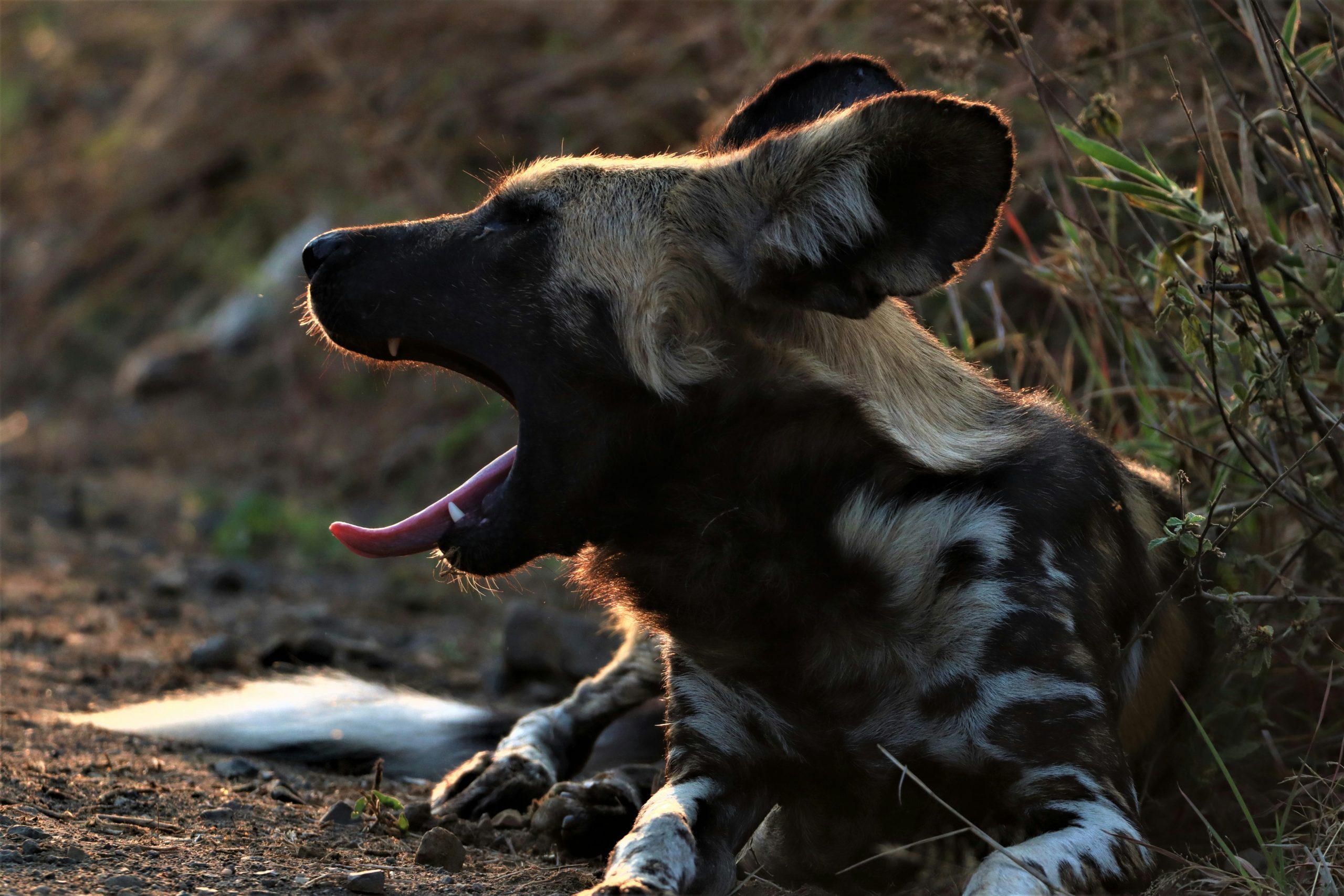
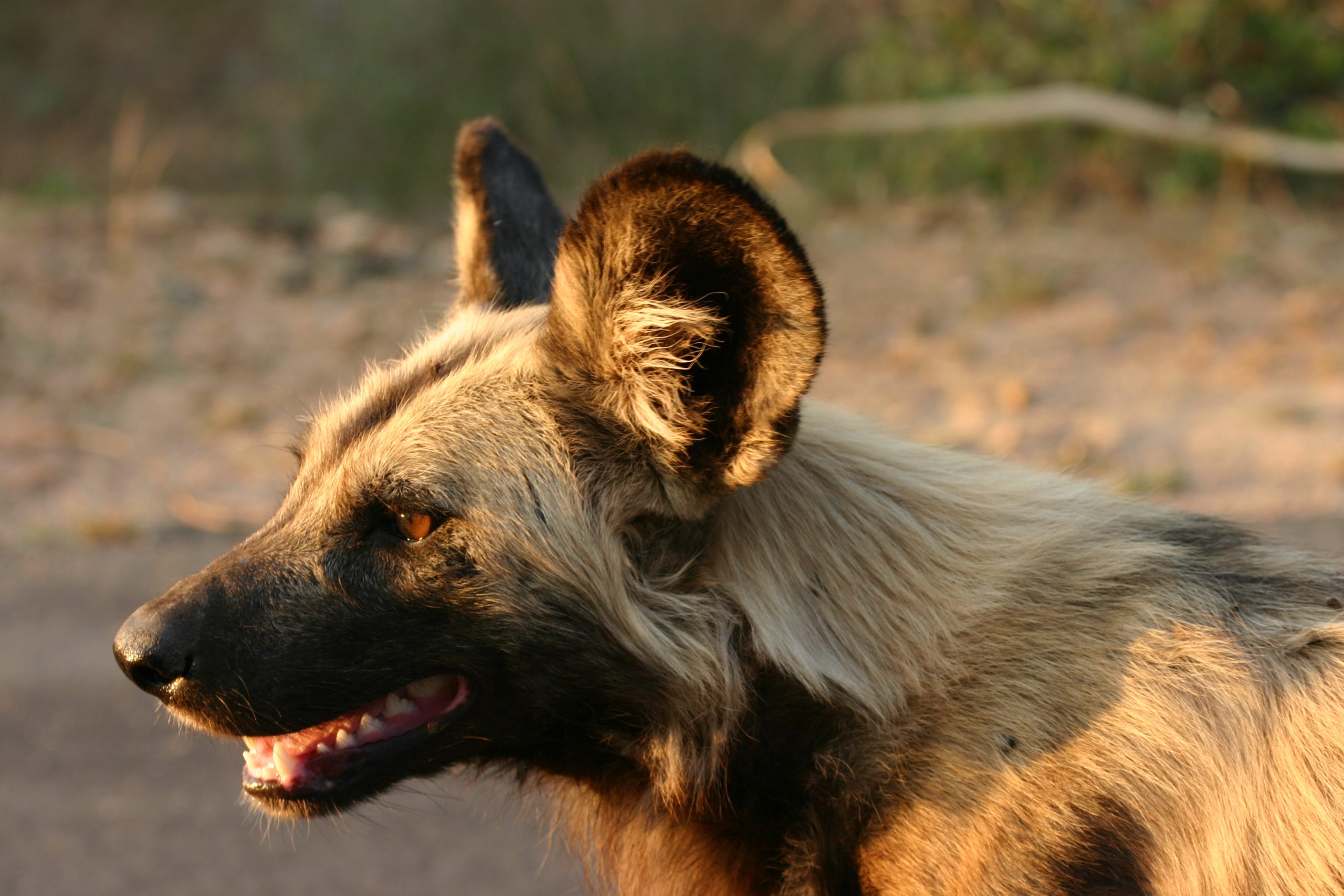
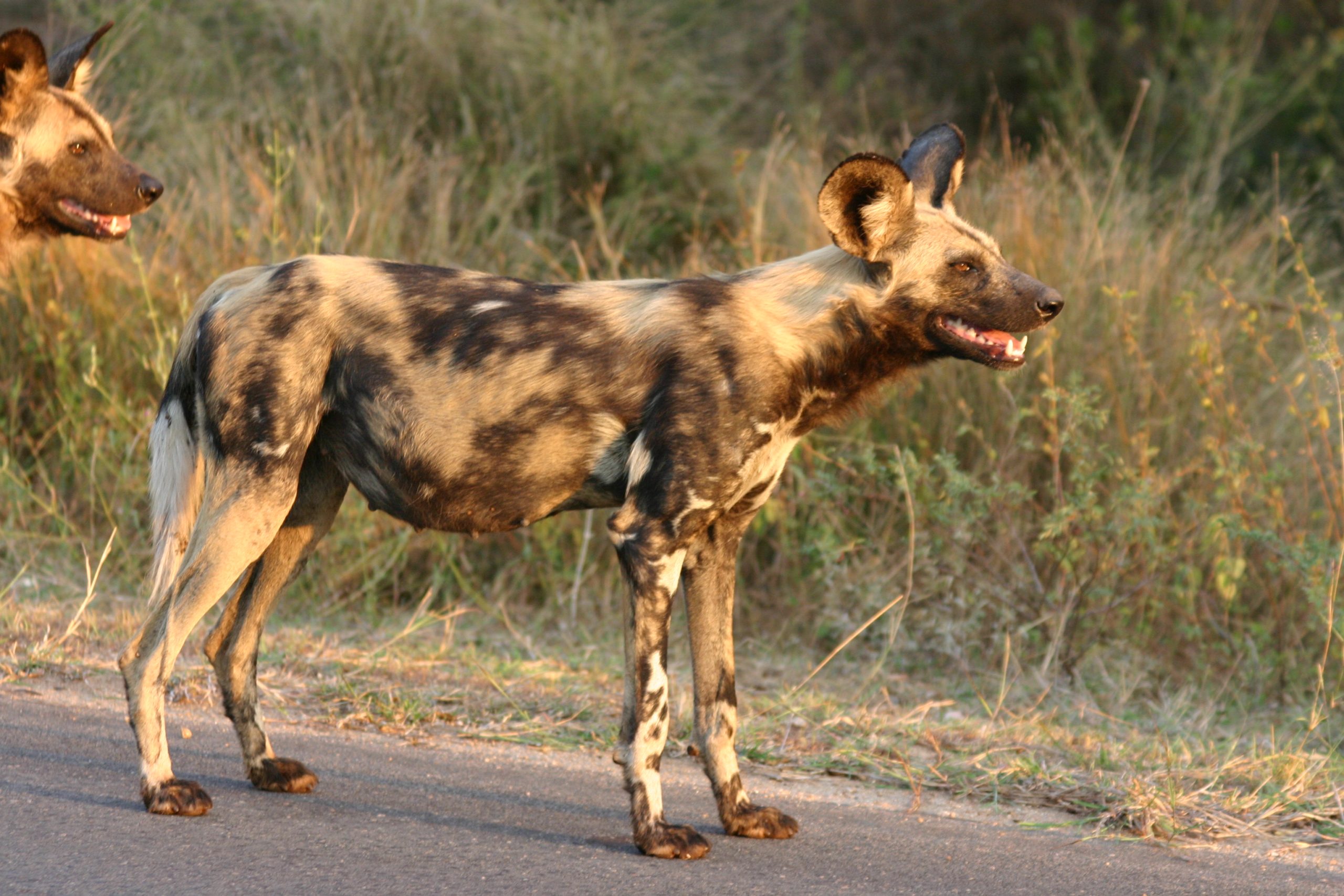
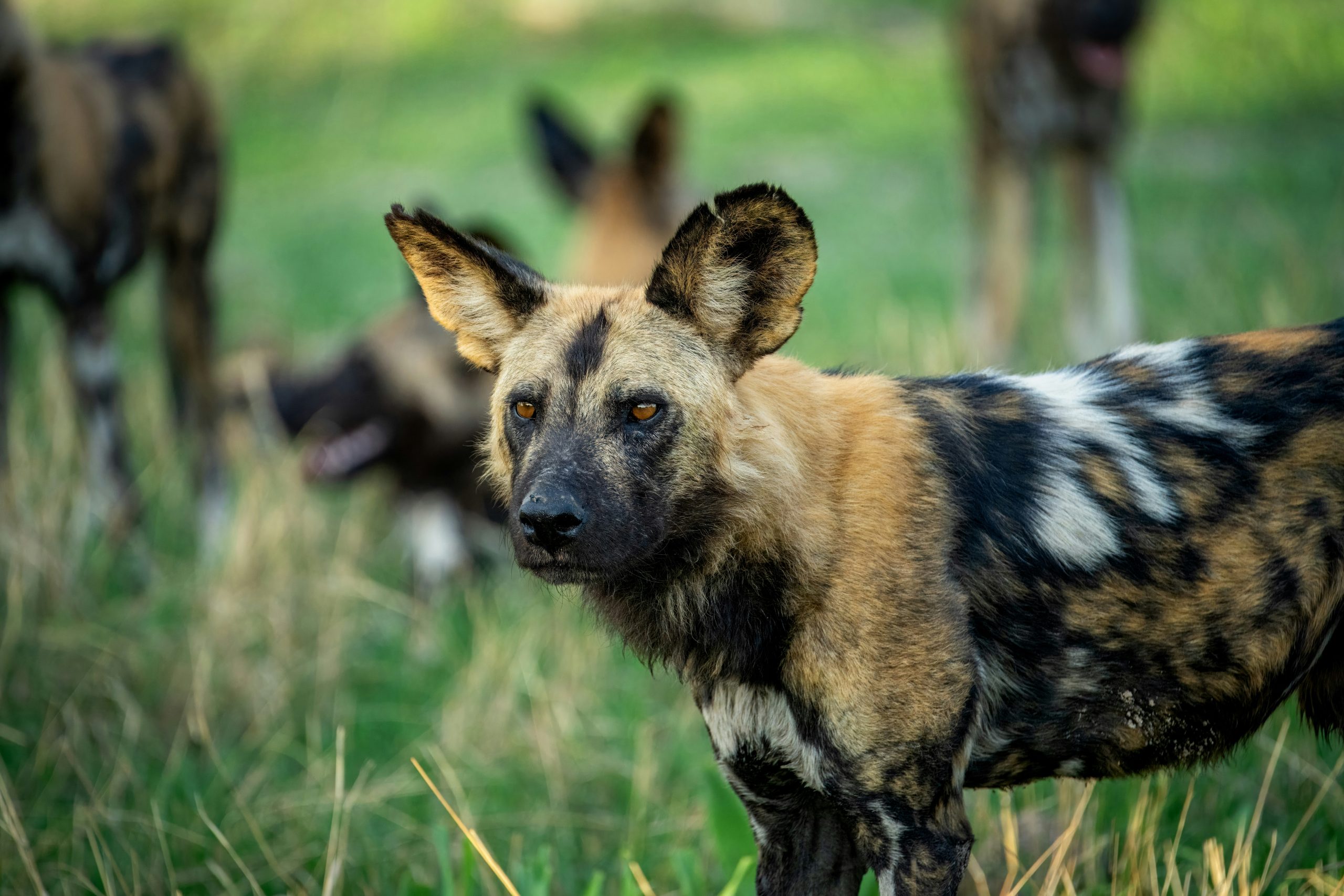
With their oversized ears, long legs and unmistakable patchwork coats of black, brown, gold and white, African wild dogs (Lycaon pictus) are unlike any other animal on the continent. No two individuals have exactly the same markings, making every member of a pack as distinctive as a fingerprint.

But beneath their striking appearance lies something even more extraordinary: an intensely social species built around cooperation.

They Run as One

For an African wild dog, survival is a team effort.

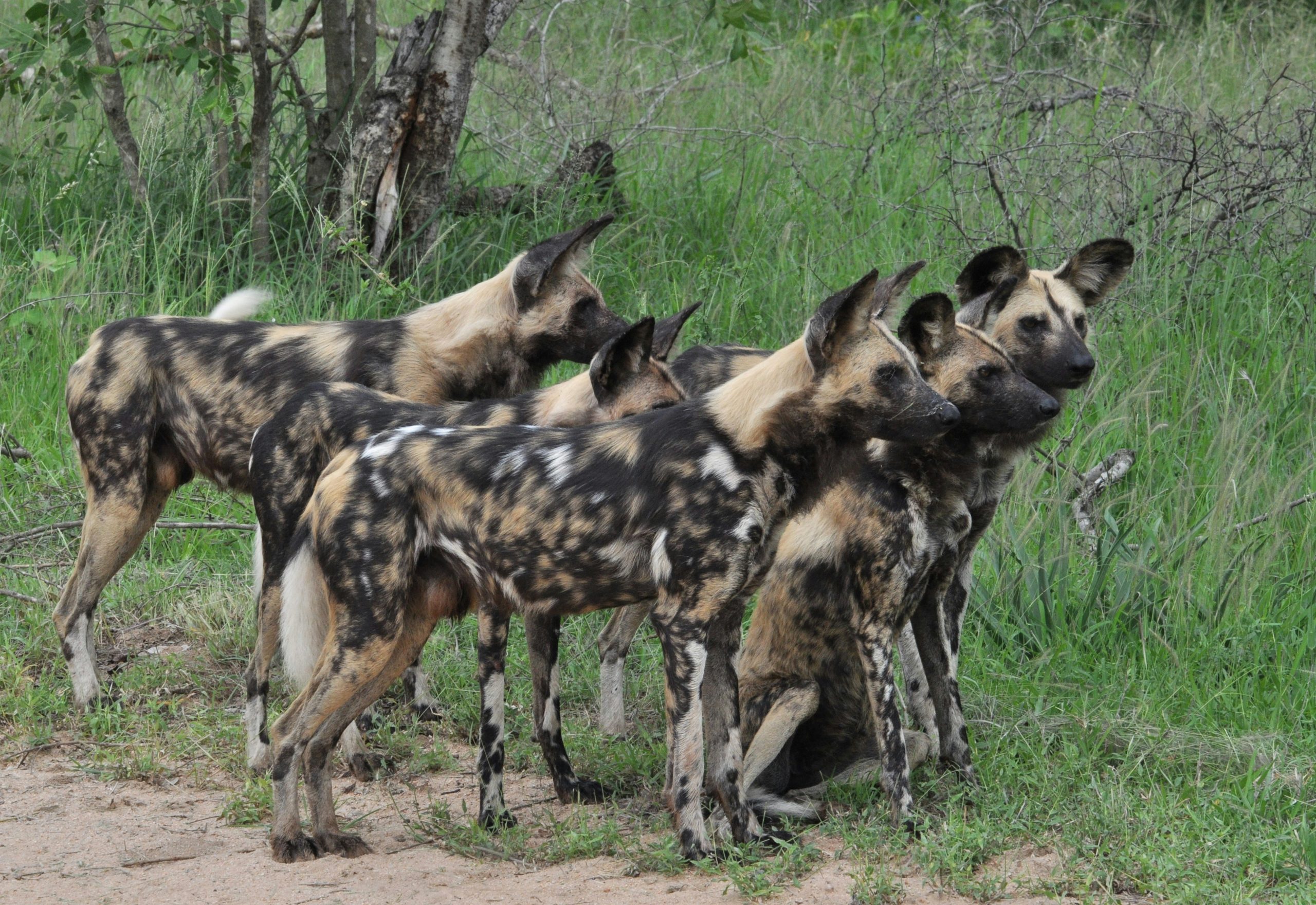
Wild dogs live in close-knit family packs where members hunt together, raise pups together and care for sick or injured animals. Their social bonds are among the strongest found in Africa’s large carnivores.

When a pack sets off on a hunt, teamwork becomes its greatest strength. Rather than relying purely on power, wild dogs use stamina, communication and coordinated movement to pursue prey. Working together allows them to achieve exceptionally high hunting success rates, making them among Africa’s most efficient predators.

What makes these animals particularly remarkable is that their cooperation does not end when the hunt is over.

Returning hunters regurgitate food for pups and for pack members that may not have been able to travel with the group. Pups receive priority access to food, reflecting the enormous investment the entire pack makes in raising the next generation.

While some adults leave to hunt, others may remain behind to guard the den and protect the young. Raising pups is a shared responsibility, and the survival of each litter depends heavily on the cooperation of the wider pack.

Even decisions about when to move can involve the group.

Researchers studying wild dogs have observed that packs often gather in energetic social rallies before setting off. During these gatherings, the animals communicate through body language, vocalisations and even sneezes. Research suggests that the number of sneezes during these rallies can help influence whether the group decides to move, offering a fascinating glimpse into the complex social communication of the species.

For African wild dogs, almost everything revolves around the pack.

Their extraordinary success as a team, however, has not protected them from a much greater threat: disappearing from large parts of the landscapes they once occupied.
@Hal Cooks
@Jonas
@Jonathan Gensicke

A Predator in Trouble

African wild dogs are classified as Endangered, with approximately 6,600 animals estimated to remain in the wild.

Today, their strongest populations are found mainly in parts of southern and eastern Africa, where large enough areas of connected habitat still remain.

Their greatest challenge is not a lack of ability to survive in the wild. It is finding enough space in which to do so.

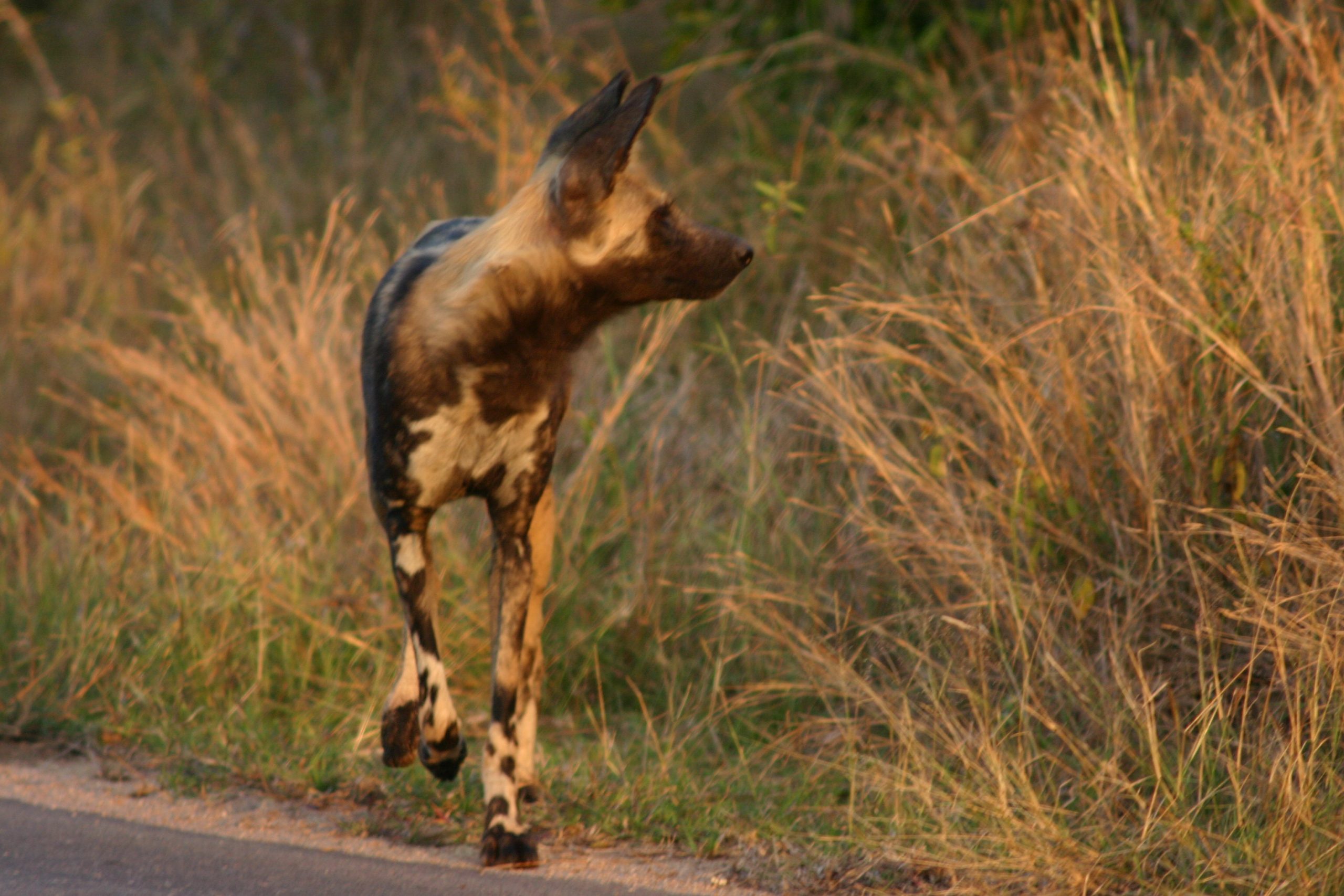
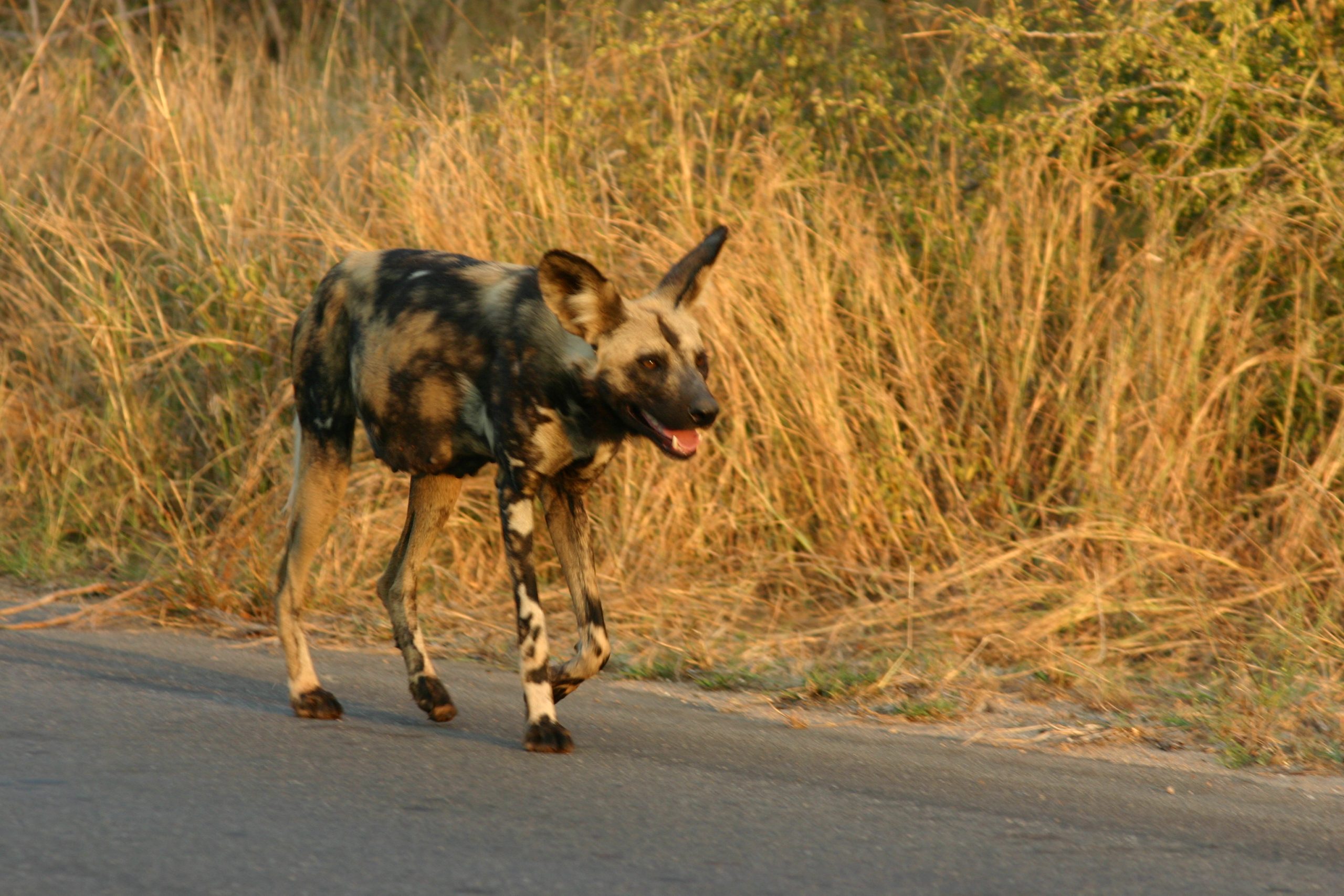
Wild dog packs can travel enormous distances in search of prey and suitable territory. As natural habitats become increasingly fragmented by roads, agriculture, settlements and other development, these animals are forced to move between protected areas and landscapes shared with people and livestock.

This exposes them to numerous dangers.

Habitat loss, accidental capture in snares, conflict with people and infectious diseases such as rabies and canine distemper can all have devastating consequences. Competition with larger predators, particularly lions and spotted hyenas, places additional pressure on packs.

Because wild dogs are so dependent on one another, the loss of even a few animals can affect far more than those individuals.

A single snare can remove an experienced hunter or breeding animal from a pack. Disease can spread rapidly through closely associated family members. And when pack numbers decline, there are fewer adults available to hunt, guard pups and defend territory.

For a species built around cooperation, every member matters.

Why Wild Dogs Matter

African wild dogs are not simply another beautiful species worth saving.

As predators, they form an important part of the natural systems that keep African ecosystems functioning. By hunting naturally occurring prey species, they contribute to the complex balance between predators, herbivores and the landscapes they share.

Their conservation also highlights a much bigger challenge facing wildlife across the continent:

Wildlife needs space to move.

Protecting isolated pockets of wilderness is not always enough for a species capable of travelling across vast territories.

Wildlife corridors that connect protected areas can be critical. So too are responsible land management, cooperation between conservation authorities and neighbouring communities, anti-poaching initiatives, disease management and efforts to reduce conflict between wildlife and livestock owners.

Protecting African wild dogs therefore means protecting more than a single species.

It means protecting the connected landscapes that allow wildlife to move, hunt, breed and survive.

@Jan van der Walt
@Jan van der Walt

More Than Just a Wild Dog

The African wild dog is sometimes called the painted dog or painted wolf, names inspired by its spectacular mottled coat. Its scientific name, Lycaon pictus, also refers to its distinctive painted appearance.

Their coats may be beautiful, but they are also practical.

Each animal’s pattern is unique, helping researchers identify individuals when monitoring wild populations.

African wild dogs have several other unusual physical features. Unlike domestic dogs, they have only four toes on each foot. Their large, rounded ears provide excellent hearing and also help the animals release body heat in Africa’s warm environments.

Communication is equally important.

Pack members use an extraordinary range of sounds and signals, including chirps, squeaks, whines, contact calls, facial expressions, tail movements and body postures.

When separated, high-pitched calls help animals locate one another. When reunited, pack members often take part in enthusiastic greeting ceremonies, strengthening the relationships that hold the group together.

And those relationships are central to everything they do.

They hunt together.

They guard their young.

They share food.

They care for sick and injured pack members.

They communicate constantly.

And when they cross the African landscape, they do so as a team.

Protect the Pack

World African Wild Dog Day is an opportunity to give this extraordinary and often overlooked predator the attention it deserves.

Across Africa, conservation programmes are working to protect wild dogs through monitoring and tracking, anti-snare initiatives, habitat protection, wildlife corridors, disease prevention, community conservation programmes and efforts to reduce conflict between predators and livestock owners.

Long-term survival, however, will depend on more than conservation organisations alone.

It will depend on protecting wild places, maintaining connections between them and ensuring that wildlife and people are able to coexist across increasingly shared landscapes.

African wild dogs have survived for generations by relying on one another.

Their future now depends on our willingness to protect the landscapes through which they run.

They run as one. Let’s keep them wild.

@Jan van der Walt
@Jan van der Walt

DID YOU KNOW?

  • Scientific name: Lycaon pictus
  • Conservation status: Endangered
  • Around 6,600 African wild dogs remain in the wild.
  • Every African wild dog has a unique coat pattern.
  • Wild dogs live in highly cooperative family packs.
  • Pack members work together to raise, guard and feed pups.
  • They also care for sick and injured members of the pack.
  • Pups receive priority access to food.
  • Wild dogs communicate through vocalisations, body language and social gatherings.
  • Research suggests that sneezing can play a role in collective pack decisions.
  • African wild dogs have four toes on each foot.
  • Their large ears provide excellent hearing and help with heat regulation.
  • Their coordinated hunting makes them among Africa’s most effective predators.
  • World African Wild Dog Day is observed annually on 26 August.

Leave a Comment

Scroll to Top