


















By Ndidzulafhi Innocent Sinthumule
South Africa’s Limpopo province borders Zimbabwe, Botswana and Mozambique. It is one of the poorest provinces in the country. This is due to a combination of historical underdevelopment, a high unemployment rate, heavy reliance on government grants and a rural-based economy with limited industrial diversification. Residents turn to what has always helped them survive, and it might surprise you to learn about the role of mopane worms and termites in alleviating poverty in rural South Africa.
It’s an interesting place for a geographer like me. My work brings together the themes of traditional ecological knowledge, environmental geography, conservation and society. My research examines sustainable environmental outcomes by recognising the role of local culture, sacred sites, and community practices in managing natural resources in southern Africa.
In two recent studies, I explored how local communities in Limpopo are commercialising the harvesting of local insects to manage extreme poverty.
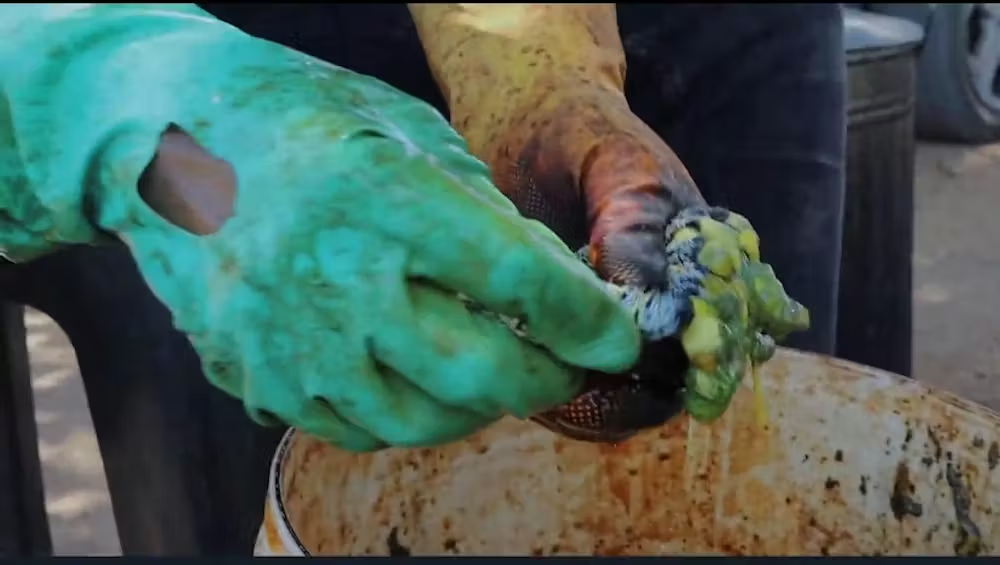
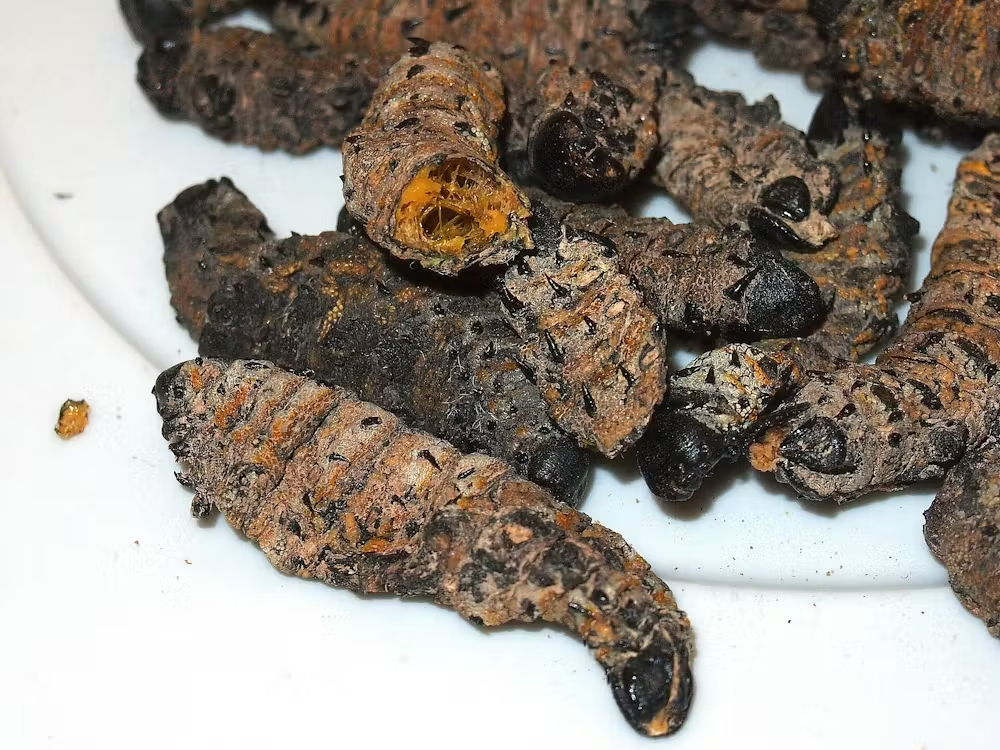
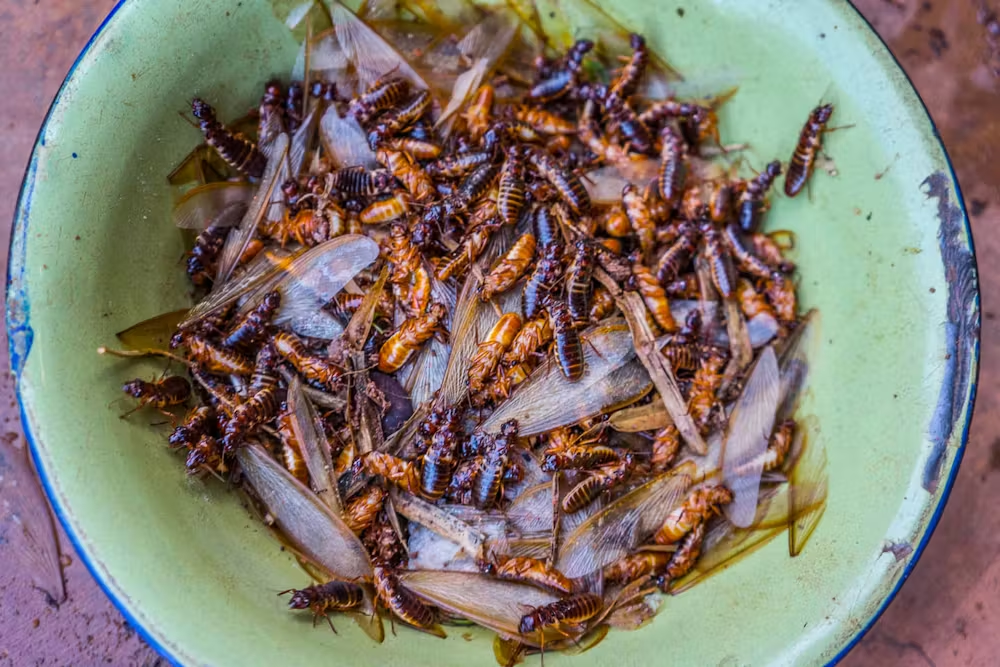
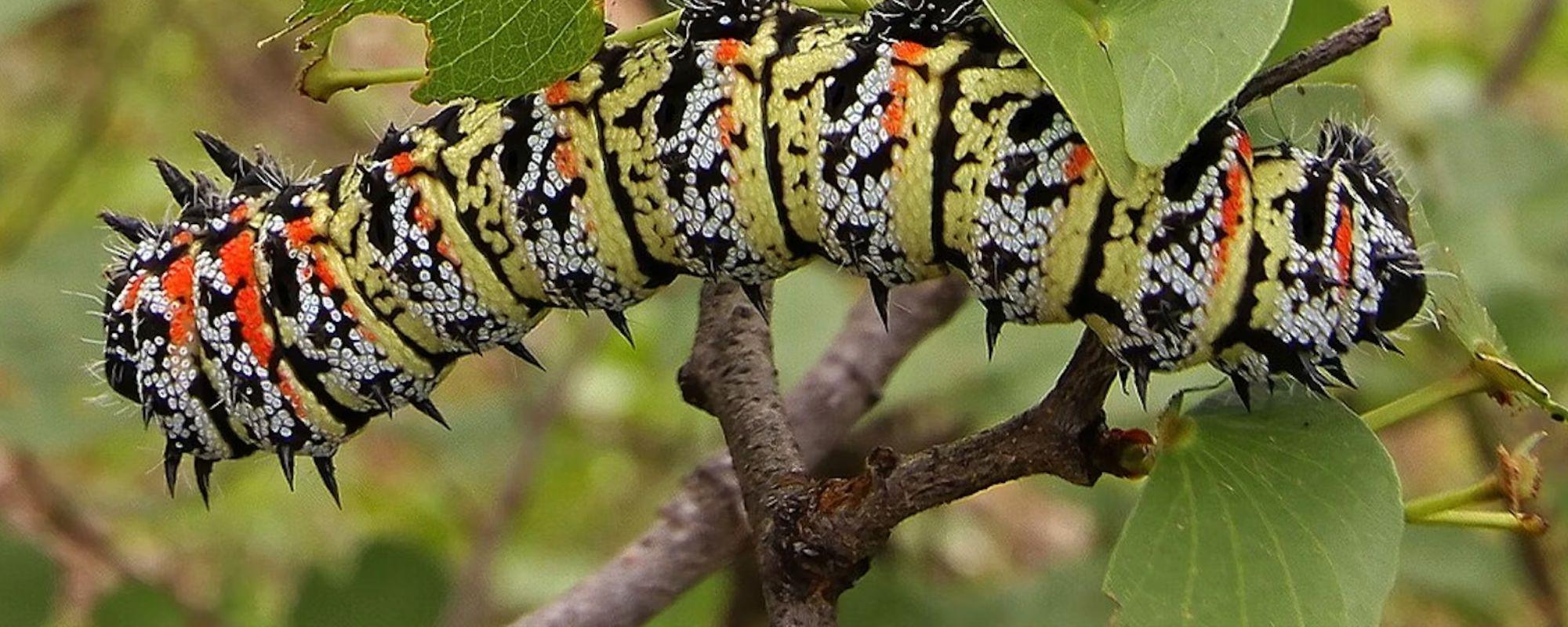
In one, I explored the process of commercialising mopane worms. Mopane worms (Gonimbrasia belina) are a nutritious, high-protein seasonal delicacy for many communities in Limpopo. In a similar study, I turned to the harvesting and commercialisation of termite alates in Limpopo.
These resources are important for food security and poverty relief. Mopane worms and alate termites offer both high-quality nutrition and substantial income-generating opportunities for rural households. Both foods are traded in local and regional, formal and informal markets.
This enterprise is largely driven by unemployment, economic hardship, and the need for cash income in rural areas.
My research shows clearly that these resources play an important part in rural households, and it’s important to manage them sustainably. One way of ensuring this happens is to tap into local knowledge.
As a separate study I did shows, traditional knowledge can help manage scarce resources by integrating customary rules, taboos and seasonal monitoring to prevent over-exploitation.